
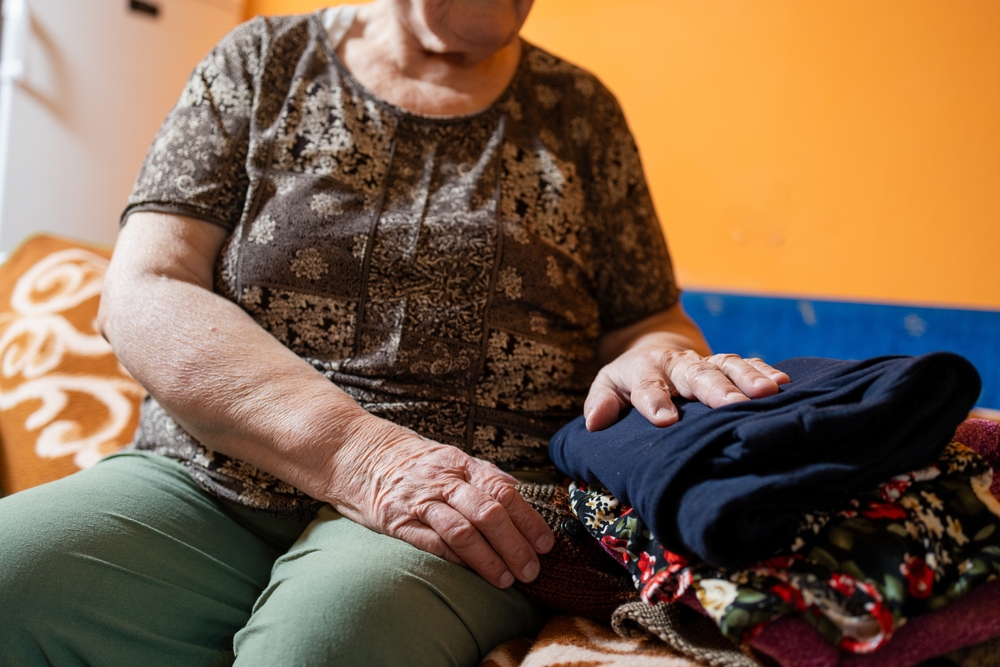
For many seniors—and people facing emotional or physical challenges—organizing can feel overwhelming because their belongings aren’t just “stuff.”
They hold memories, identity, comfort… and sometimes grief.
When organizing is approached with empathy and patience, it can become something very different:
A mindful renewal.
Why can senior organizing feel so hard?
For most people, and specially seniors, clutter is tied to life transitions:
- Retirement
- Downsizing
- Health changes
- Loss of loved ones
Items collected over decades hold stories and milestones. Letting go can feel like letting go of part of yourself. For people living with anxiety, depression, ADHD, trauma, or grief, clutter can also be a symptom of emotional strain. Decision fatigue, fear of regret, and perfectionism often make it difficult to even start. In some cases, working with both a therapist and a professional organizer can help break that cycle.

A softer approach works best for senior organizing
In these situations, organizing shouldn’t be rushed. A soft, slow reset works better—prioritizing listening over directing, and comfort over speed. Short sessions help. Three hours of decision-making can be exhausting, especially for seniors. Usually I ask clients to sit comfortably while we sort together at their pace—without pressure or judgment.
An impactful moment
While helping one senior client downsize a bedroom full of boxes, we discovered several journals. He started reading through them. They were filled with memories of trips he had taken with his wife over many years. Keeping those diaries mattered deeply to him. Later, when we opened his old office files, he felt very differently. Those were easy to let go. Over several short sessions, we filled boxes and arranged for a shredding service to come to his home. Progress didn’t happen quickly, but it happened in the way that felt right for him.
Physical limitations matter too
Traditional organizing methods don’t always work. One client wanted help clearing out her crowded closet but couldn’t bend down or reach the shelves. Instead of pulling everything out, we had her sit comfortably while we slowly brought items to her. During the session she found:
- Clothes with tags still on them that no longer fit
- Décor she no longer needed
When the donations and trash were removed and the closet reorganized, she felt something many clients feel: lightness.

Listening first to seniors
Clients dealing with anxiety or depression often need space to talk before organizing begins.
One client who had lost her spouse several years earlier struggled to go through his clothes and medical equipment.
The process brought up deep grief.
Progress meant respecting what she was not ready for, rather than forcing decisions.
What mattered most was finding meaningful places for his belongings.
Donating his suits to Dress for Success brought her comfort knowing they would help someone else.
Sometimes progress starts small for seniors
After illness, injury, or difficult life events, piles can build up. They can feel impossible to face. Often the first steps are small:
- Opening mail
- Sorting paperwork
- Canceling subscriptions
Even small actions can bring a sense of relief—and momentum.

The emotional benefits of gentle organizing
When organizing is done with care, it can:
- Reduce anxiety and mental fatigue
- Improve daily functioning and independence
- Support safe aging in place
- Restore a sense of control
- Provide emotional closure
Many clients report better sleep, improved mood, and renewed motivation after even modest progress.
Kindness matters more than perfection
Organizing for seniors and people facing physical or emotional challenges isn’t about creating magazine-perfect spaces; It’s about creating homes that support:
- dignity
- comfort
- and wellbeing
Compassion, patience, and respect matter far more than labels and containers.
For all of your organizing needs, call Global Organizing! Our phone number is 773-803-9415