
GETTING YOUR KITCHEN HOLIDAY-READY? DON’T FORGET FOOD SAFETY!
As you prepare your kitchen for holiday cooking and family gatherings, take a moment to inspect your appliances, utensils, and food preparation tools. Above all, a clean, well-maintained, and properly equipped kitchen is essential to protecting the health and well-being of your family and guests.
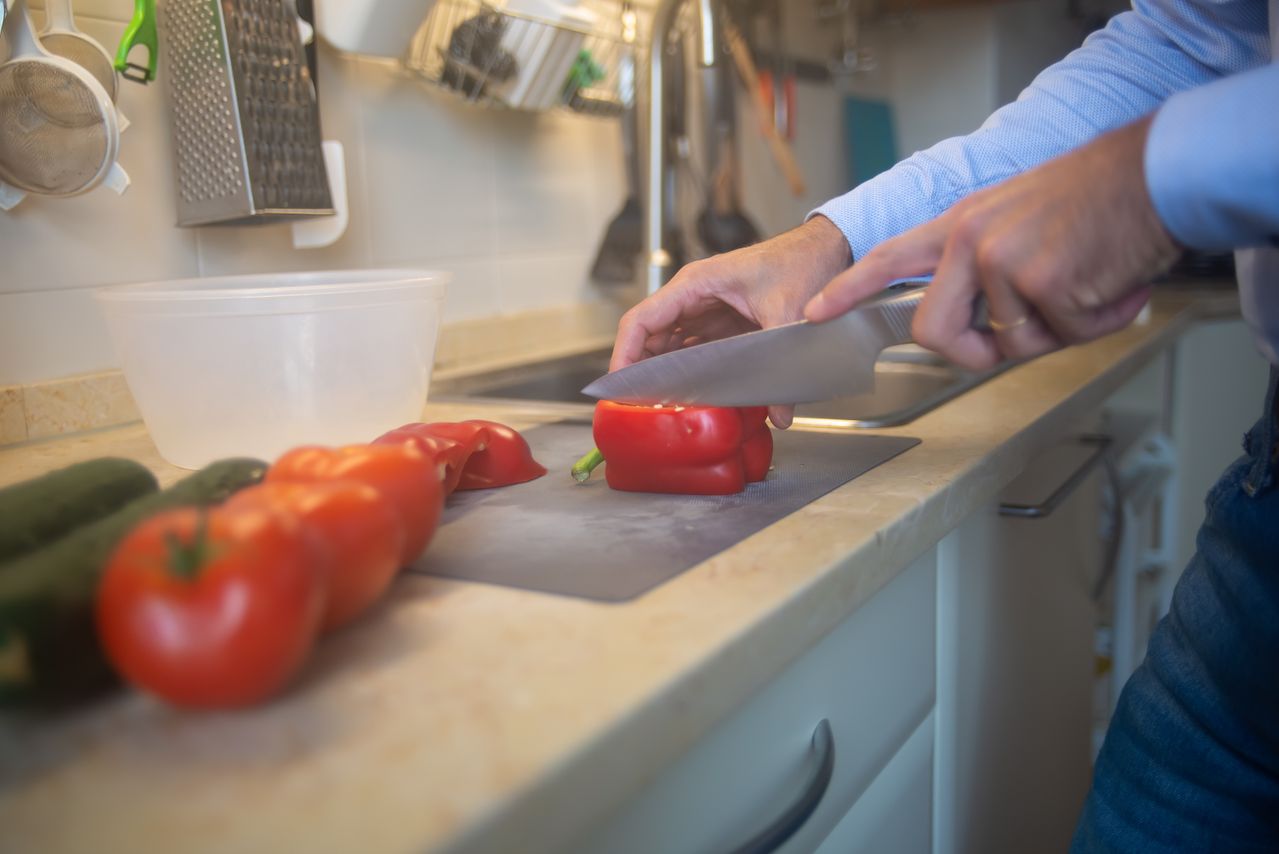
YOUR CUTTING BOARD MAY DESERVE A SECOND LOOK!
We use cutting boards every day; however, have you considered what may be transferred to your food?
Both wood and plastic boards have potential drawbacks:
– Plastic boards: Knife grooves can harbor bacteria, while repeated cutting can release microplastic particles into food. The long-term health effects of ingesting these particles are still being studied.
– Wood boards: Deep cracks, poor maintenance, and inadequate drying can create conditions for bacterial growth and cross-contamination.
Few additional facts:
Bacteria and cross-contamination: The USDA advises replacing boards with deep grooves that are difficult to clean.
Microplastics: A 2023 study published in Environmental Science & Technology found that plastic cutting boards can release microplastic particles during chopping.
Why take unnecessary chances with something we use daily?
🌿 Instead, consider alternative materials:
Bamboo, food-grade silicone, rubber, and composite boards offer additional options, each with different advantages and maintenance requirements.
Titanium and stainless steel are also available, although their hard surfaces can dull or damage knives more quickly.
For most home kitchens, food‑grade 304 stainless steel (18/8) is the best choice for cutting boards, offering corrosion resistance, food safety, and durability – Why 304 Stainless Steel is Recommended:
– Food‑safe and corrosion‑resistant: 304 stainless steel contains about 18% chromium and 8% nickel, which make it highly resistant to rust, stains, and corrosion from acidic foods like tomatoes or citrus
– Industry standard: It’s the same grade used in high‑quality cookware and commercial kitchens, making it a proven choice for food contact surfaces
– Non‑porous and hygienic: It doesn’t absorb odors, bacteria, or liquids, and can be sanitized easily
Your kitchen choices matter! A simple change in food preparation habits can help protect your family’s health.
Choose wisely, maintain your boards, and replace any that are deeply scratched, cracked, or difficult to clean. If you need help organizing your kitchen, call Global Organizing! our phone number is 773-803-9415
Happy (and safer) cutting!