
In Part 1, we explored why aging in place has become such a strong preference—and the emotional, financial, and lifestyle factors driving that choice.
In Part 2, we focus on the practical reality:
Is your home actually suitable for aging in place?
As a senior move manager, this is one of the most common questions I’m asked. The answer often surprises people.
The Reality of Aging-Ready Homes
Only 10% of U.S. homes are considered “aging-ready,” meaning they offer:
- A step-free entrance
- A first-floor bedroom and bathroom
- At least one accessible bathroom feature
In a 2021 AARP survey, 1 in 3 adults said their home would need modifications if physical limitations occurred.
The most common needs included:
- Bathroom modifications (79%)
- Indoor and outdoor accessibility improvements (71%)
- Emergency response systems (61%)
- Smart safety technology (48%)
Aging-in-place modifications can range from $10,000 to $100,000, depending on the home and scope of work.
Common Features—and What’s Often Missing
While most older adults report having:
- A main-floor bathroom (88%)
- A main-floor bedroom (78%)
Fewer homes include essential safety features:
- Doorways wide enough for wheelchairs (54%)
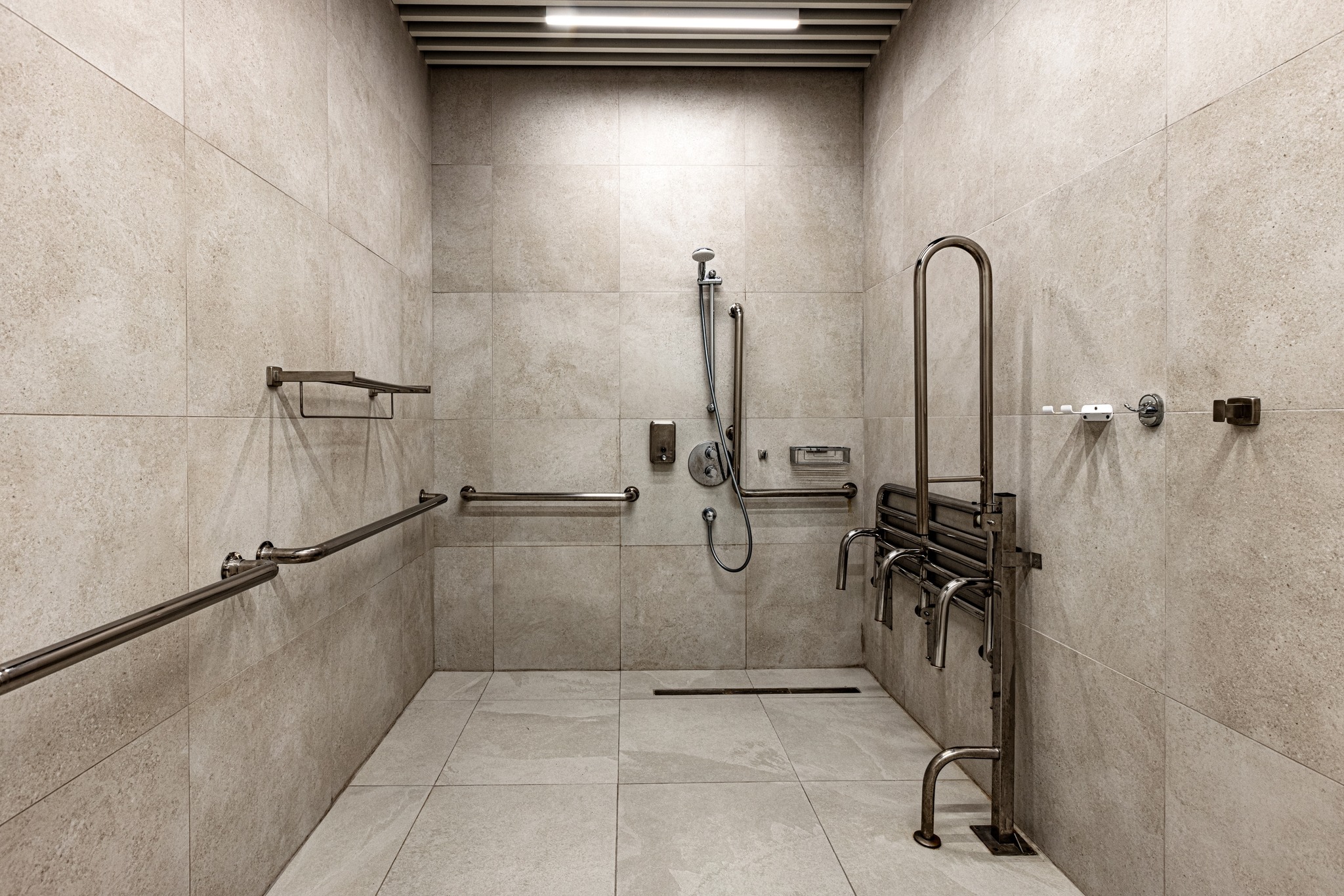
- Grab bars (32%)
- Barrier-free showers (7%)
Nearly half of older adults use at least one smart device, yet fewer than 10% have safety-specific tools like medical alert systems or water-leak detectors.
Remodelers are seeing the shift: 76% report increased requests for aging-in-place features in the past five years.

Modifications That Make the Biggest Impact for Aging in Place
- First-floor bedroom and bathroom access
- Step-free entrances and low-threshold showers
- Grab bars and raised toilet seats
- Stair lifts or home elevators
- Medical alert systems and safety-focused smart devices
- Lift chairs to support safe movement
Final Thought
Aging in place isn’t just about staying in your home—it’s about staying safe, independent, and prepared.
Many homeowners assume their home will adapt with them, but the data shows that planning ahead is essential. Evaluating your home early gives you choices—rather than forcing decisions during a crisis.
If you’re considering aging in place and want help assessing your home or planning next steps, I’m here to help. Reach out to consult with me for personalized guidance.
Read part 1 here: https://global-organizing.com/aging-population-part-1/