
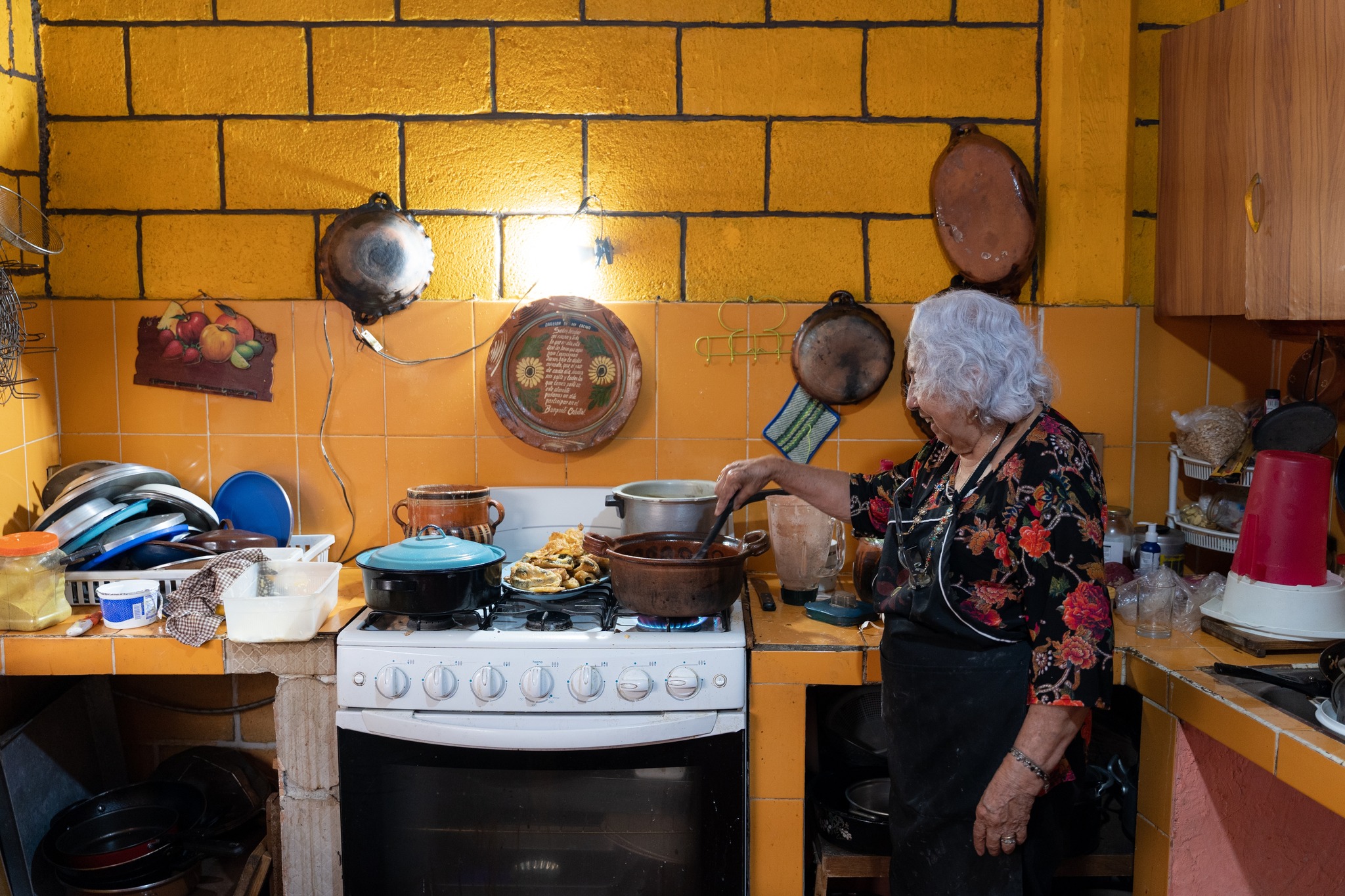
Most older adults don’t want to “move someday.”
They want to stay where life already feels familiar, and age in place.
Yet as America’s population ages rapidly, the desire to age in place is in conflict with medical, financial, and caregiving realities that few families are fully prepared for.
America Is Aging—Fast
- Between 2010 and 2020, the number of adults ages 60+ grew by 33%, from 57.5M to 76.5M.
- Adults 85 and older are projected to increase by 117% by 2040.
- 78% of adults over 55 live with at least one chronic condition; that rises to 85% after age 65.
- Research shows at least 50% of adults 65+ will need care at some point.
Why Aging in Place Is So Appealing
- 77% of adults over 50 say they want to age in place.
- 92% of older adults prefer to live out their later years in their current home.
- Key reasons include:
- Independence and control
- Feeling safe in a familiar environment
- Strong ties to community, neighbors, and family
- Better mental and emotional well-being
A familiar home can also help people stay socially connected and avoid complications like hospital-acquired infections and muscle loss.
The Practical Realities of Being Able to Age in Place
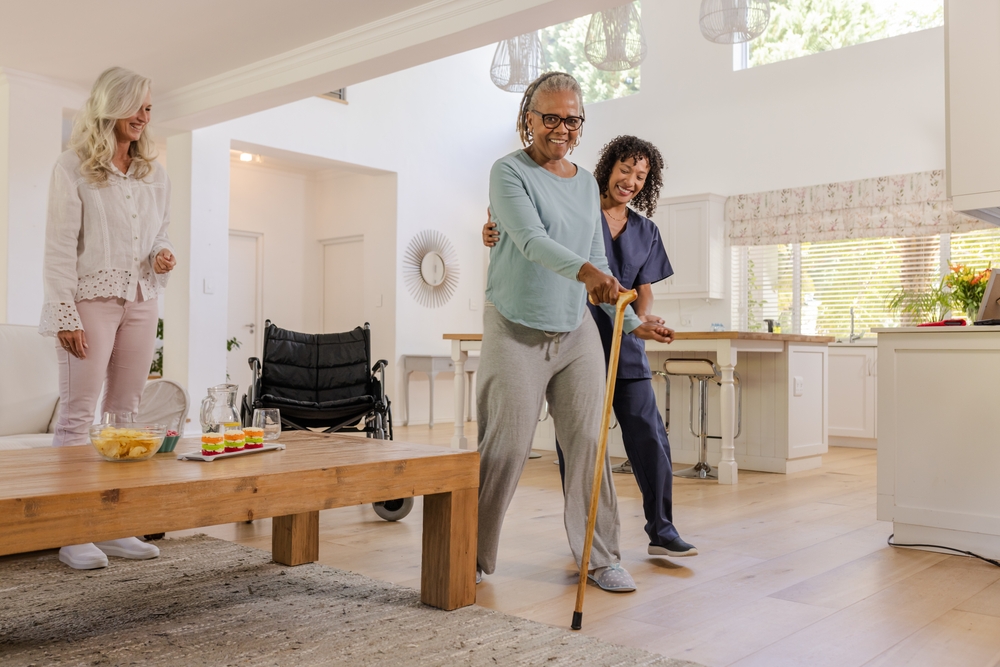
Aging at home often means needing help with activities of daily living (ADLs) such as bathing, dressing, eating, or moving safely.
- Care may come from family, paid caregivers—or both.
- The national median monthly cost:
- Home health aide: $5,148
- Assisted living: $4,500
- Only 19% of adults ages 50–80 feel very confident they can afford long-term help.
Planning often includes:
- Home safety modifications
- Emergency medical alert systems
- Transportation and home maintenance support
- Ongoing reassessment as needs change
Location Matters More Than You Think
Affordability varies widely by city. Based on housing, home-care costs, and renovation expenses, the top 10 cities where aging in place is most affordable compared to assisted living include:
Philadelphia • Wichita • Milwaukee • Boston • Miami
New York • Albuquerque • El Paso • Baltimore • Oklahoma City
In areas with lower housing costs and strong home-based services, aging in place can be significantly more cost-effective.

Benefits—and Real Concerns About Age in Place
Benefits
- Stronger sense of identity
- Community engagement
- Access to expanding in-home health services
Concerns
- More than one-third of adults ages 50–80 report feelings of isolation
- Loneliness increases risks to physical and mental health
- Falls alone cost over $50 billion annually in medical expenses
Isolation is especially concerning for adults living alone, in rural areas, or without reliable transportation.
A Thoughtful Conclusion
Aging in place is not just a preference—it’s a complex strategy.
It can support independence, dignity, and connection—but only when paired with realistic planning, financial awareness, and ongoing support.
As Dr. Elizabeth Landsverk notes, staying physically active, socially engaged, and proactive about health can significantly delay the need for higher levels of care. But ignoring the realities of aging often leads to crisis decisions later.
In Part 2, we’ll explore a critical follow-up question:
Is your home actually suitable for aging in place?
Read part 2 here: https://global-organizing.com/aging-population-part-2/