
How Does the Power of Parents Model Orderliness to Encourage Good Habits?
In today’s fast-paced world, cultivating good habits in children is more important than ever. One of the foundational habits that can influence a child’s overall success and well-being is orderliness. Orderliness isn’t just about having a clean room; it encompasses organizing time, managing tasks, and fostering a disciplined mindset. The power of parents play a critical role in modeling this behavior, as children often learn by observing and imitating adult actions. This article explores how parents can effectively model orderliness to encourage good habits in their children.
Understanding Orderliness as a Habit
Orderliness can be defined as the quality of being neat, systematic, and organized. It’s more than tidiness; it’s about developing routines, prioritizing tasks, and maintaining consistent practices that help manage daily life efficiently. When children grow up in an environment where orderliness is valued and practiced, they are more likely to internalize these behaviors.
Good habits related to orderliness include:
- Keeping personal spaces clean and organized
- Managing homework and study schedules effectively
- Planning ahead for activities and responsibilities
- Developing a consistent routine for daily tasks
With these foundations, children gain skills such as self-discipline, time management, and responsibility—critical traits that contribute to academic success and personal growth.
Why the Power of Parental Modeling Matters
Children are natural imitators. From infancy through adolescence, they watch their parents closely and often replicate behaviors they see at home. This makes parental modeling one of the most powerful tools for teaching orderliness.
- Consistency Builds Trust: When parents consistently demonstrate orderly behavior, it signals that such habits are valuable.
- Nonverbal Learning: Children absorb lessons without direct instruction if they witness organized habits repeatedly.
- Emotional Connection: Positive interactions around orderliness create emotional rewards linked to good habits.
By embodying orderliness themselves, parents create a living blueprint for children to follow rather than relying solely on verbal instructions or rules.
Practical Ways the Power of Parents Can Model Orderliness
1. Maintain an Organized Home Environment
Parents who keep their living spaces tidy set a direct example of orderliness. This doesn’t mean perfection but rather demonstrating daily efforts to organize belongings:
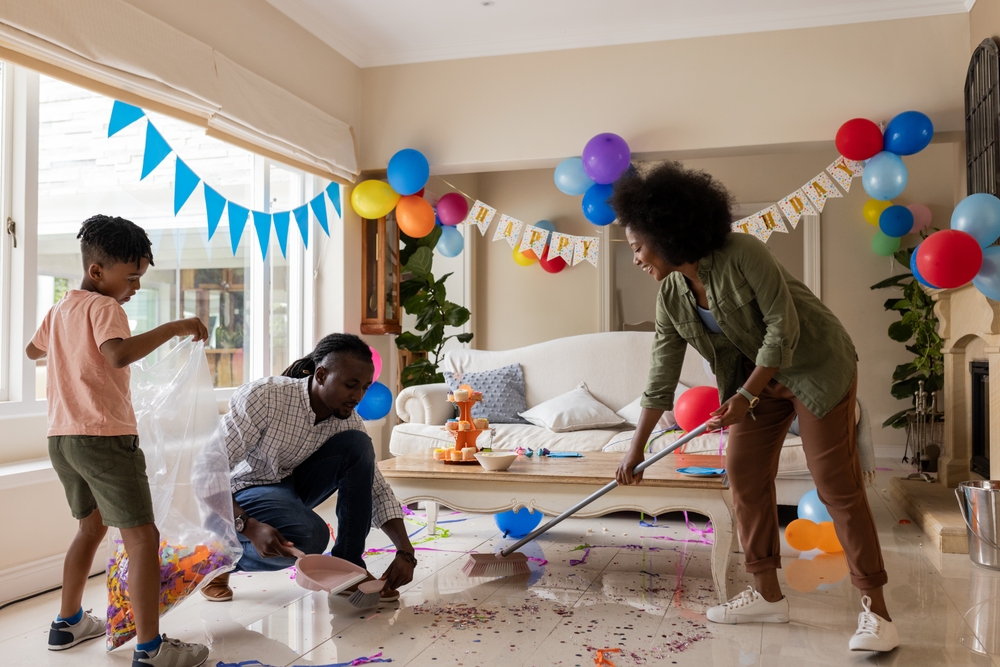
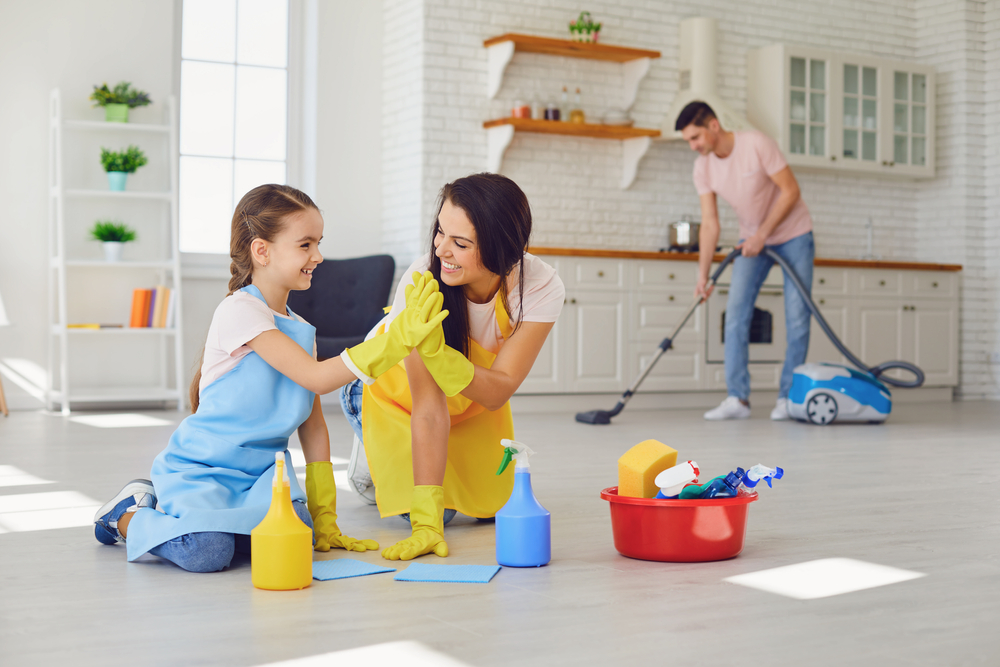
- Regularly clean common areas together as a family.
- Designate specific places for keys, backpacks, shoes, and school supplies.
- Use storage solutions like bins, shelves, and labels to simplify locating items.
When children see that organization helps reduce clutter and stress for everyone, they start appreciating the practical benefits of being orderly.
2. Establish Daily Routines
Routines provide structure, predictability, and security for children while promoting habit formation. Parents can model this by:
- Following consistent wake-up and bedtime schedules.
- Planning meals at regular times.
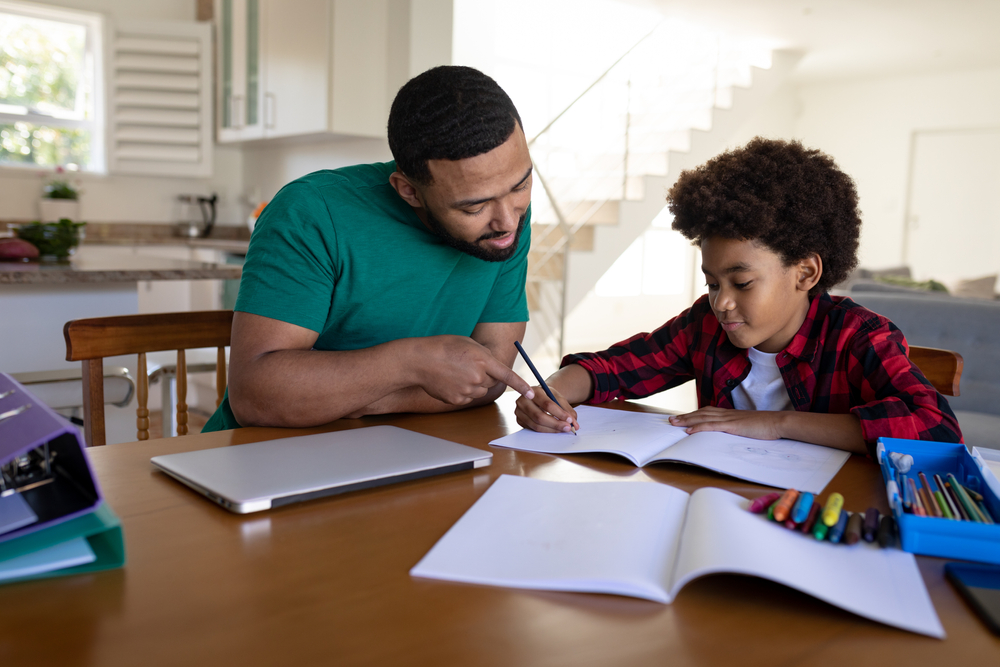
- Organizing homework or reading times into the day.
Routines show children how planning ahead reduces chaos and makes daily life manageable. Parents who adhere to these schedules demonstrate responsibility and time management.
3. Use Lists and Calendars Openly
Using planners or calendars is a visible sign of orderliness that children can understand:
- Keep a family calendar on the fridge or wall highlighting appointments, deadlines, and activities.
- Write daily or weekly “to-do” lists where kids can observe them.
- Show how you prioritize tasks by crossing off completed items.
Introducing children to this system visually reinforces how planning leads to accomplishment.
4. Manage Stress and Mistakes Calmly
Orderliness isn’t about perfection but resilience and adaptability when things don’t go as planned. Parents who calmly handle disorganization or mistakes teach children important coping skills:
- Admit when you’ve misplaced something but show methods for finding or replacing it.
- Use problems as opportunities for problem-solving rather than frustration.
- Demonstrate patience during busy or chaotic moments.
This mindset encourages children to view orderliness as an ongoing process rather than an unattainable ideal.
5. Involve Children in Organizing Tasks
Rather than doing everything themselves, parents can actively include kids in organizing activities:
- Sort toys together by category (e.g., books, blocks)
- Organize school supplies before the start of the school year.
- Plan meals together with shopping lists and preparation steps.
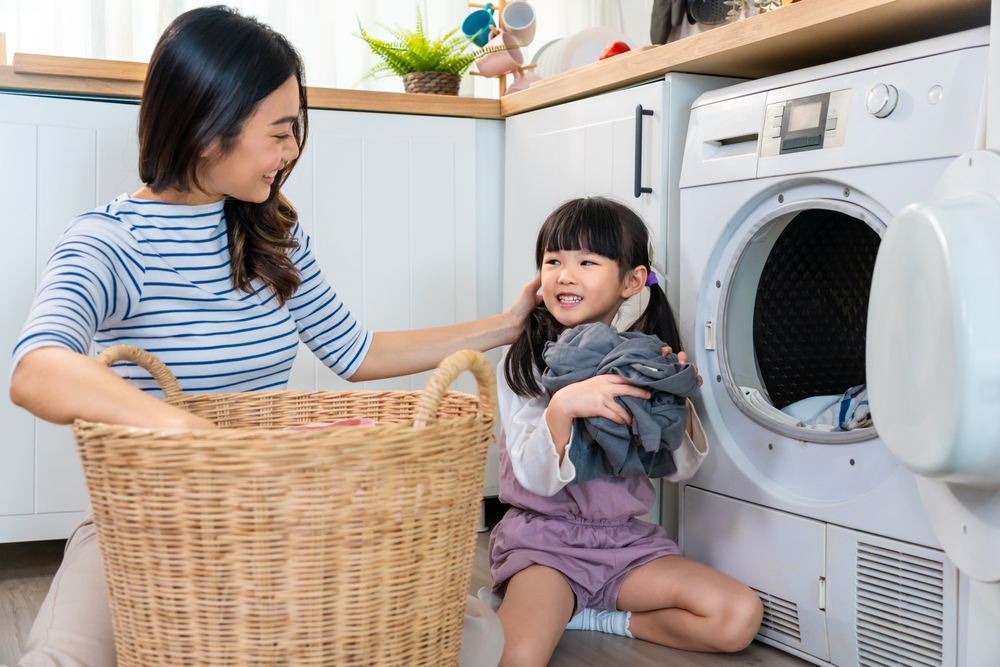
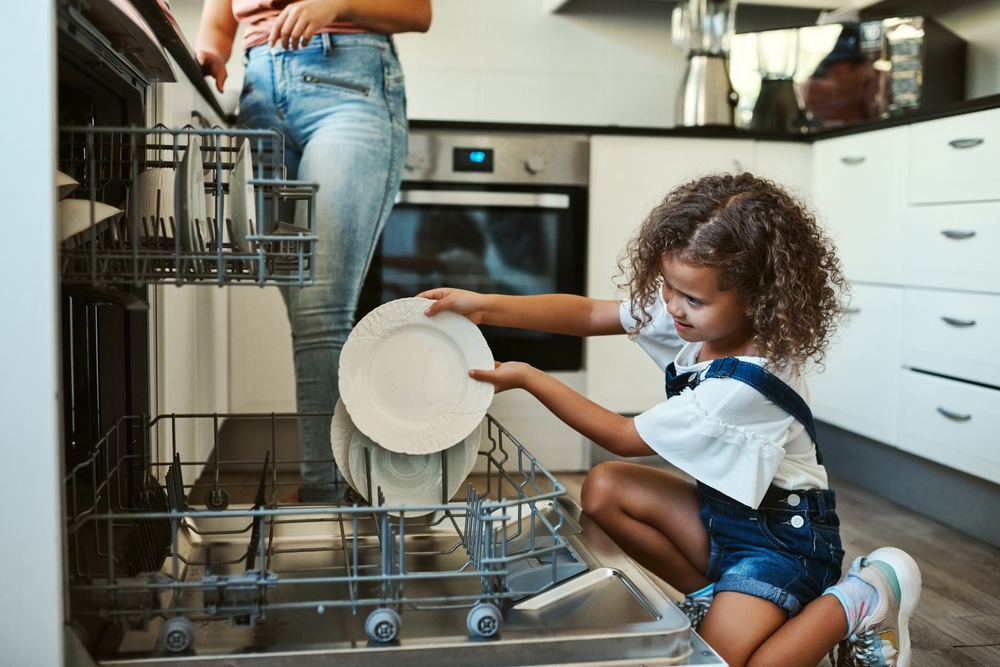
Participation deepens understanding of why order matters and fosters ownership of good habits.
6. Demonstrate Time Management Skills
Parents who model effective use of time help children appreciate its value:
- Set timers or alarms for task completion during homework or chores.
- Avoid procrastination by tackling tasks promptly in front of kids.
- Balance work responsibilities with leisure time visibly so kids understand scheduling priorities.
This teaches self-control around distractions while emphasizing that productive use of time is part of being orderly.Ezoic
7. Keep Digital Spaces Organized
In today’s digital age, order extends beyond physical possessions:
- Maintain organized folders on family devices for photos, documents, and apps.
- Limit screen time with set rules modeled consistently by parents.
- Use digital calendars or reminders openly with older children.
Managing digital clutter models modern organizational skills essential in academic and future professional environments.
The Benefits of Modeling Orderliness for Children
When parents successfully model orderliness, children benefit in multiple ways:
Enhanced Academic Performance
Orderly students tend to be better prepared for schoolwork because they manage materials and time efficiently. They complete assignments on schedule, reducing stress and improving learning outcomes.
Improved Emotional Well-being
Being organized helps reduce anxiety caused by chaotic environments or forgotten responsibilities. Children feel more confident when their surroundings support focus and calmness.
Development of Lifelong Skills
The habits learned through parental modeling translate into adulthood skills such as:
- Time management
- Prioritization
- Self-discipline
- Responsibility towards personal belongings
These abilities increase chances of success in careers and relationships.
Stronger Family Bonds
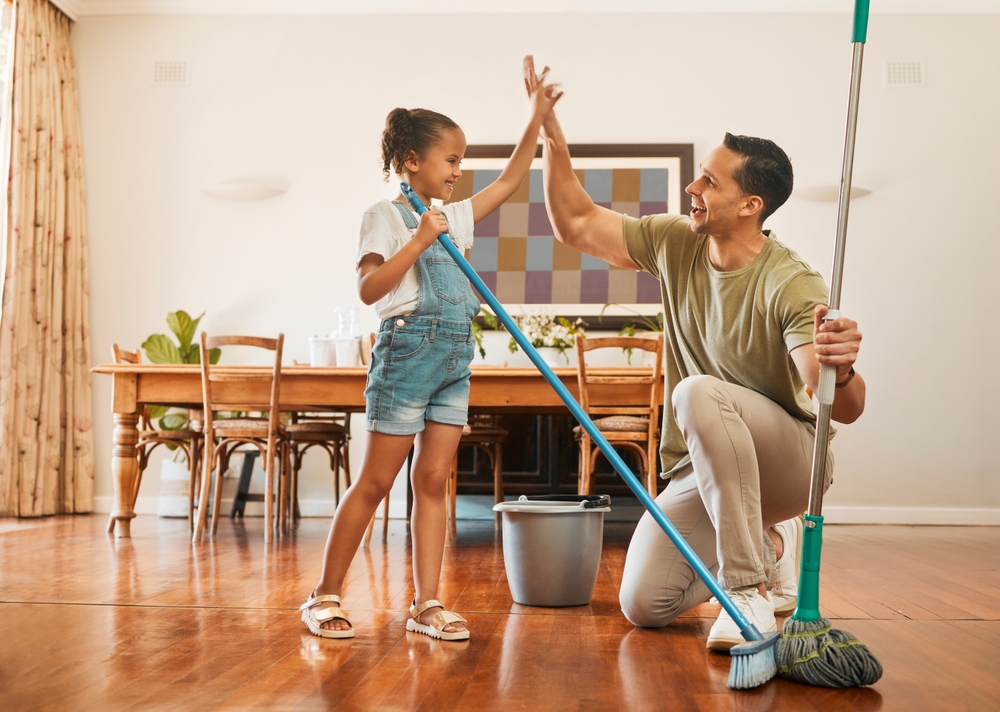
Engaging together in organizing tasks fosters teamwork and communication within families. Children learn cooperation by seeing parents balance individual needs with group harmony.
Overcoming Challenges in Modeling Orderliness
Many parents face obstacles when trying to cultivate orderliness due to busy schedules or different personality styles among family members. Here are some tips for overcoming those challenges:
- Start Small: Introduce one habit at a time rather than tackling everything simultaneously to avoid overwhelm.
- Be Patient: Habit change takes time—acknowledge progress instead of expecting perfection immediately.
- Adapt Strategies: Customize organizational systems based on your child’s age and preferences for best engagement.
- Use Positive Reinforcement: Praise efforts at staying organized rather than focusing only on failures.
Understanding that modeling orderliness is a process helps parents remain consistent despite setbacks.
Conclusion – The Power of Parents
The power of parents holds significant influence over their children’s development of good habits through the power of modeling behavior. By embodying orderliness themselves—maintaining organized spaces, establishing routines, managing time well, involving children actively in organizing tasks—they create an environment where good habits naturally flourish.
Orderliness lays a strong foundation not only for academic achievement but also for emotional resilience and lifelong personal growth. Embracing this role with patience and consistency empowers parents to nurture well-rounded individuals ready to thrive in all aspects of life.
Through mindful actions today, parents instill timeless values that shape successful tomorrows. Modeling orderliness is not just about neatness—it’s about equipping children with essential life skills that will serve them throughout their journey from childhood into adulthood.